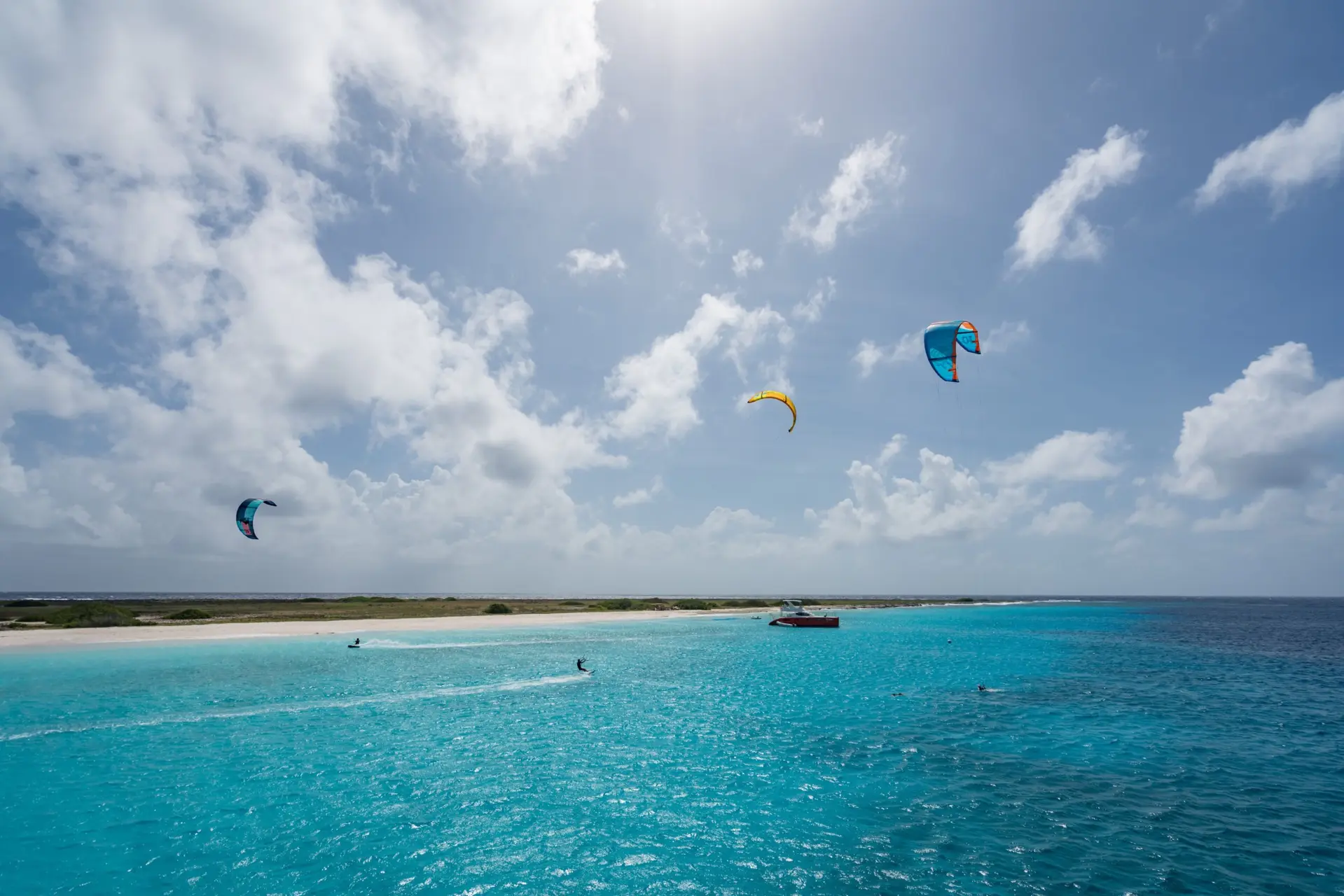
kitesurf, wingfoil and windsurf spots in Brazil
Hundreds of kilometres of beaches, a warm wind that blows for months, lagoons hidden behind the dunes: in a single generation, Brazil's Northeast has become one of the world's great kitesurfing capitals.
474 spots listed, across 21 regions. Rideable days are computed from two full years of readings (2024 and 2025), spot by spot.
Brazil: an overview
Kiting as a way of life
Few countries have embraced kitesurfing as naturally as Brazil. On the Ceará coast, fishing villages have turned into resorts built around the wind, without losing their jangada boats or their sand streets. The country has produced some of the best riders in the world, and the scene is as local as it is international: schools, pousadas and rental shops are often run by enthusiasts from elsewhere who came and stayed.
The wind season, driven by the trade winds, covers the second half of the year in the Northeast. During those months the days follow a pattern: a calm morning, a wind that builds and holds until sunset, and warm water that makes a wetsuit unnecessary.
Lagoons, dunes and downwinders
What makes Brazil unique is the geography of its northern coast. Behind the beaches stretch huge dunes, and between them, rainwater or seawater lagoons, flat and warm, where you learn in a matter of days. River mouths form lagoons that the tide fills and empties.
This is also downwinder country. Riders link villages by sailing with the wind, sometimes over several days, followed by a buggy or 4x4 carrying the luggage. The run from Cumbuco to the dunes of Maranhão, over hundreds of kilometres, has become one of the most sought-after trips in board sports.
Beyond the Northeast
Brazil is not just Ceará. Rio Grande do Norte, further east, offers quieter villages, and the South — led by Santa Catarina — has its own riding culture, closer to surfing, with lagoons and cooler water.
The best regions
The Ceará coast
The flagship region, on either side of Fortaleza. Endless beaches, lagoons, schools in every village and infrastructure built for riders. This is almost always where a first trip begins.
Jericoacoara and around
Dunes, lagoons, palm trees and a village that became world-famous. More touristy and more sporty too, with spots for every level within a few kilometres.
Piauí and Barra Grande
A very short coastline, but a name every kiter knows: flat, warm lagoons sheltered by sandbanks, in a still-unspoilt setting.
Maranhão and the Lençóis
A desert of white dunes dotted with turquoise lagoons, unique in the world. Atins, at the edge of the park, is where the great downwinders end.
Rio Grande do Norte
East of the Northeast, quieter villages, wild beaches and very consistent conditions. A less crowded alternative to Ceará.
Santa Catarina
Brazil's South, green and hilly. Lagoons, waves and surf culture, with a season and atmosphere very different from the Northeast.
By region
- Ceará 91
- Santa Catarina 79
- Rio de Janeiro 37
- Rio Grande do Norte 36
- Rio Grande do Sul 33
- Bahia 27
- São Paulo 27
- Espírito Santo 25
- Maranhão 16
- Paraíba 13
- Alagoas 12
- État de Rio de Janeiro 11
- Pernambuco 10
- Pará 9
- Piauí 8
- Sergipe 6
- État de São Paulo 5
- Paraná 5
- State of Ceará 5
- Pernambouc 3
- State of Rio Grande do Norte 3
The spots not to miss
-
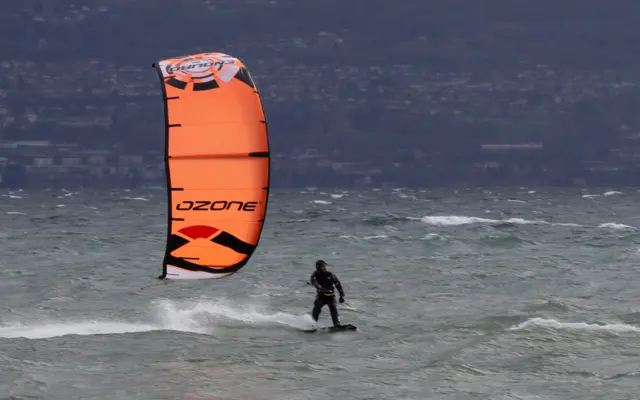
Parajuru (Ceará)
Ceará
East of Fortaleza, a low-key village facing a long beach and lagoons shaped by the river and the tide. Lots of space, few people, and an atmosphere that has stayed authentic.
-
Cumbuco (Ceará)
Ceará
The starting point of most trips. Half an hour from Fortaleza, a wave beach and, just behind the dunes, a flat lagoon where generations of kiters learned. Lively, practical, essential.
-
Taíba (Ceará)
Ceará
A fishing village set between red cliffs and a lagoon. Quieter than Cumbuco, with flat water much loved by freestylers and waves close at hand.
-
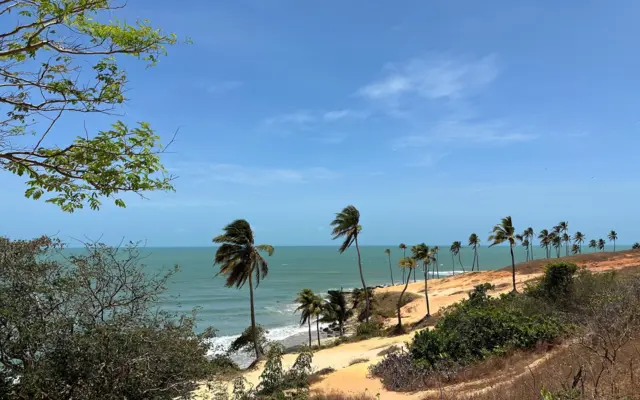
Lagoinha (Ceará)
Ceará
A bay lined with palm trees and cliffs, with dune lagoons a few minutes away. One of the most photogenic stops on the coast.
-
Icaraizinho de Amontada (Ceará)
State of Ceará
A small village at the end of a sand road, known for its steady wind and wide beach. Ideal for getting away from the bustle and riding in peace.
-
Ilha do Guajiru (Ceará)
Ceará
A lagoon of flat, shallow water sheltered by sandbanks. One of the best freestyle and speed spots in Brazil, in an almost deserted setting.
-
Preá (Ceará)
Ceará
Jericoacoara's kite beach, a few kilometres from the village. A vast stretch of sand, a strong wind, and hotels and schools geared towards riding.
-
Jericoacoara (Ceará)
Ceará
Dunes, a famous sunset, sand streets and the energy of an end-of-the-world village turned global destination. More technical near the village, surrounded by spots for every level.
-
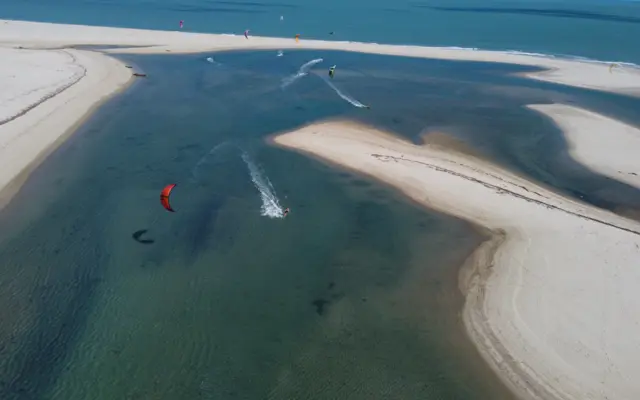
Macapá, Barra Grande (Piauí)
Piauí
Flat, warm lagoons filled and emptied by the tide, fringed with mangroves. One of the most renowned flat-water playgrounds in the country.
-
Atins (Maranhão)
Maranhão
On the edge of the Lençóis Maranhenses, a village reached by 4x4 or boat. A river, a wild beach and, behind it, a desert of dunes and lagoons: the dream finish to a great downwinder.
-
São Miguel do Gostoso (Rio Grande do Norte)
Rio Grande do Norte
A quiet village north of Natal, with a long beach and very steady wind. Less known than Ceará, and all the more enjoyable for it.
-
Ibiraquera (Santa Catarina)
Santa Catarina
A large lagoon at the foot of the hills, close to the sea, in the South. Flat water, green landscapes and a riding culture closer to surfing than to resort kiting.
When to ride
2024-2025 average| Region | J | F | M | A | M | J | J | A | S | O | N | D |
|---|---|---|---|---|---|---|---|---|---|---|---|---|
| Ceará 91 | 29 | 24 | 25 | 23 | 31 | 30 | 31 | 31 | 30 | 31 | 30 | 31 |
| Santa Catarina 79 | 25 | 22 | 25 | 22 | 19 | 15 | 15 | 20 | 24 | 28 | 28 | 26 |
| Rio de Janeiro 37 | 21 | 23 | 24 | 24 | 23 | 21 | 21 | 27 | 27 | 28 | 26 | 24 |
| Rio Grande do Norte 36 | 30 | 26 | 27 | 27 | 31 | 30 | 31 | 31 | 30 | 31 | 30 | 31 |
| Rio Grande do Sul 33 | 27 | 24 | 26 | 22 | 19 | 17 | 16 | 22 | 25 | 28 | 27 | 27 |
| Bahia 27 | 25 | 25 | 27 | 22 | 24 | 21 | 25 | 29 | 29 | 30 | 28 | 30 |
| São Paulo 27 | 5 | 3 | 6 | 4 | 6 | 5 | 5 | 8 | 9 | 12 | 7 | 7 |
| Espírito Santo 25 | 24 | 25 | 24 | 23 | 22 | 21 | 24 | 27 | 28 | 30 | 27 | 26 |
The windiest spots
2024-2025 average| Spot | Region | Rideable days |
|---|---|---|
| Areia Vermelha | State of Paraíba | 362 d/yr |
| barra do mamanguape | Paraíba | 362 d/yr |
| bessa beach | Paraíba | 362 d/yr |
| cabedelo | Paraíba | 362 d/yr |
| Cacimbinhas | Rio Grande do Norte | 362 d/yr |
| praia do amor | Rio Grande do Norte | 362 d/yr |
| Tibau do Sul | Rio Grande do Norte | 362 d/yr |
| Lucena | Paraíba | 361 d/yr |
| ponta de lucena | Paraíba | 361 d/yr |
| barra de tabatinga | Rio Grande do Norte | 360 d/yr |
Average rideable days per year, computed from 2024-2025 readings. A day counts as rideable when it has at least two consecutive hours of wind at 7 knots or more, blowing from a direction that works for the spot.
Good to know
- Season: in the Northeast, the wind is most consistent in the second half of the year. The South follows a different, less regular rhythm.
- Tides: on the northern coast, river-mouth lagoons and some spots only work at certain tide states. Local schools keep track of the timetable.
- Downwinders: they are done with a guide and a support vehicle. Distances are long and villages far apart.
- Rainwater lagoons: their level changes with the rainy season; some fill up early in the year and dry out later on.
- Beaches and vehicles: buggies and 4x4s drive on many beaches. Stay alert while rigging and launching.
- Sun: warm water means no wetsuit, not no sun protection. A rash vest, hat and plenty of water are essential.
All spots
474 spots-
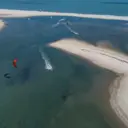 Praia de Macapa
Piauí
352 d/yr
Kitesurf · Sea
-
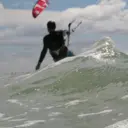 Guajiru
Ceará
350 d/yr
Kitesurf · Wingfoil · Sea
-
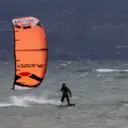 rio jaguaribe fortim
Ceará
346 d/yr
Kitesurf · Sea
-
Parajuru
Ceará
338 d/yr
Kitesurf · Sea
-
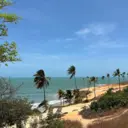 Lagoinha / Lagoa dos Jegues
Ceará
338 d/yr
Kitesurf · Sea
-
Cumbuco
Ceará
334 d/yr
Kitesurf · Wingfoil · Sea
-
Pontal de Maceio
Ceará
334 d/yr
Kitesurf · Sea
-
Palmas
Santa Catarina
560 d/yr
Kitesurf · Wingfoil · Sea
-
Mar Grosso
Santa Catarina
466 d/yr
Kitesurf · Wingfoil · Sea
-
Areia Vermelha
State of Paraíba
362 d/yr
Surf · Kitesurf · Sea
-
bessa beach
Paraíba
362 d/yr
Kitesurf · Wingfoil · Sea
-
cabedelo
Paraíba
362 d/yr
Kitesurf · Wingfoil · Sea
-
barra do mamanguape
Paraíba
362 d/yr
Kitesurf · Wingfoil · Sea
-
Cacimbinhas
Rio Grande do Norte
362 d/yr
Surf · Kitesurf · Sea
-
praia do amor
Rio Grande do Norte
362 d/yr
Surf · Kitesurf · Sea
-
Tibau do Sul
Rio Grande do Norte
362 d/yr
Surf · Kitesurf · Sea
-
Lucena
Paraíba
361 d/yr
Kitesurf · Wingfoil · Sea
-
ponta de lucena
Paraíba
361 d/yr
Kitesurf · Wingfoil · Sea
-
barra de tabatinga
Rio Grande do Norte
360 d/yr
Surf · Kitesurf · Sea
-
barra do gramame
Paraíba
360 d/yr
Kitesurf · Wingfoil · Sea
-
Buzios
Rio Grande do Norte
360 d/yr
Surf · Kitesurf · Sea
-
pirangi piranji
Rio Grande do Norte
360 d/yr
Surf · Kitesurf · Sea
-
Praia de Pirambuzios
Rio Grande do Norte
360 d/yr
Surf · Kitesurf · Sea
-
campina
Paraíba
360 d/yr
Kitesurf · Wingfoil · Sea
Sports, by number of spots
- Kitesurf 474
- Wingfoil 461
- Windsurf 455
- Surf 129
- Windfoil 70
- Landkite 1